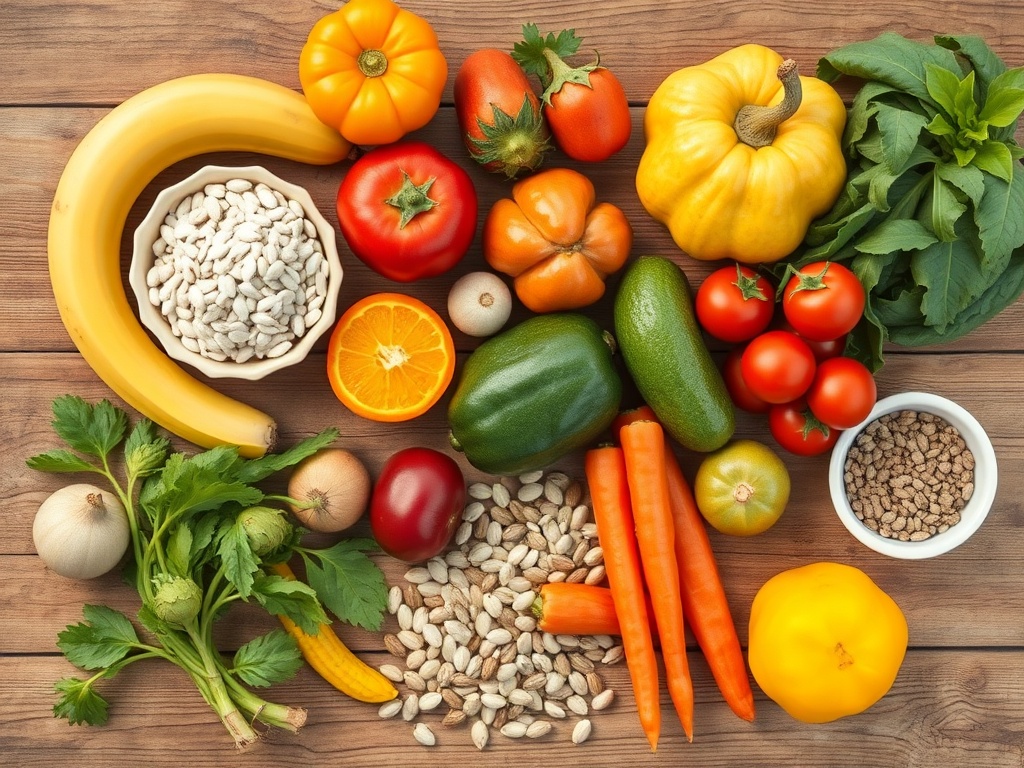
Complete Guide to Nutrition Basics
Discover the fundamentals of healthy eating. Learn about macronutrients, micronutrients, and how to build sustainable nutrition habits for long-term wellness.
The information on this site is for educational purposes only and does not constitute medical advice. Always consult a qualified healthcare professional before making health decisions.
Why Nutrition Literacy Matters
Understanding nutrition basics empowers you to make informed food choices, support your wellness goals, and develop eating habits that work for your lifestyle. Nutrientflowstyle brings clarity to nutrition science.
Balanced Macronutrients
Learn how proteins, carbohydrates, and fats work together to fuel your body and support optimal health.
Essential Micronutrients
Understand vitamins and minerals that your body needs in smaller quantities but cannot live without.
Practical Daily Choices
Discover how to apply nutrition science to real-world eating situations and build sustainable habits.
Core Nutrition Principles
Energy Balance
Understand how calories work and the balance between energy intake and expenditure. This foundation helps you maintain a healthy weight and fuel your activities appropriately.
Hydration
Learn why water intake is crucial for every bodily function. Discover how much you need, signs of dehydration, and practical tips for staying adequately hydrated throughout your day.
Food Groups
Explore the five food groups and their unique benefits. Learn how to create balanced meals by combining different food groups for maximum nutritional value and variety.
Whole Foods
Understand the benefits of whole, unprocessed foods over refined alternatives. Learn why nutrient density matters and how to identify truly nutritious options at the grocery store.
Label Reading
Master the skill of reading nutrition labels. Learn how to interpret serving sizes, ingredient lists, and nutrient information to make informed purchasing decisions.
Individual Needs
Recognize that nutrition requirements vary by age, activity level, and health status. Learn how to adapt basic principles to meet your unique nutritional needs.
The Essential Nutrients You Need to Know
Your body requires different types of nutrients to function optimally. Here's an overview of the major categories and their roles in maintaining wellness.
Proteins
Build and repair tissues, create enzymes and hormones, support immune function. Found in meat, fish, eggs, legumes, nuts, and dairy products.
Carbohydrates
Primary energy source for your brain and body. Choose complex carbs (whole grains, vegetables) over simple sugars for sustained energy and better nutrient intake.
Fats
Essential for hormone production, nutrient absorption, and brain health. Include healthy fats from avocados, olive oil, fatty fish, and nuts in your diet.
Vitamins
Support immunity, energy production, and cellular function. Each vitamin has specific roles; a varied diet helps ensure you get them all.
Minerals
Including calcium, iron, zinc, and potassium. Build strong bones, transport oxygen, and regulate muscle and nerve function throughout your body.
Fiber
Supports digestive health, helps regulate blood sugar, and promotes satiety. Found abundantly in vegetables, fruits, whole grains, and legumes.
Key Takeaway: The best nutrition approach is simple—eat a variety of whole foods in appropriate portions. Focus on vegetables, fruits, whole grains, lean proteins, and healthy fats. This diversity ensures you get the broad spectrum of nutrients your body requires.
Building Healthy Eating Habits: A Step-by-Step Approach
Assess Your Current Habits
Take a week to observe what you eat without judgment. Track your meals, notice your hunger and fullness cues, and identify patterns. This awareness is the foundation for change. You'll understand your baseline and can then make intentional improvements rather than drastic overhauls.
Start With Small Changes
Don't overhaul your entire diet at once. Pick one small habit to improve—perhaps adding a vegetable to dinner or drinking more water. Small wins build momentum and are far more sustainable than dramatic restrictions. Success breeds confidence for the next change.
Plan and Prepare
When you plan meals ahead, you're less likely to grab quick, less nutritious options. Spend time on the weekend prepping vegetables, cooking grains, and portioning proteins. Having healthy food readily available makes good choices the easy choice.
Build a Sustainable Routine
Consistency matters more than perfection. Establish regular meal times, keep your kitchen stocked with nutritious basics, and develop a rhythm that fits your lifestyle. Over time, these habits become automatic, requiring less willpower and decision-making.
Frequently Asked Questions About Nutrition
Daily recommendations vary based on age, sex, and activity level, but general guidelines suggest: 5-9 servings of vegetables and fruits combined, 6-8 ounces of grains (preferably whole), 5-6 ounces of protein, 3 cups of dairy (or alternatives), and 5-7 teaspoons of healthy oils. For personalized recommendations, consult our detailed nutrition guide or speak with a nutrition professional.
While eating the same nutritious foods provides consistency, variety ensures you get a broader spectrum of nutrients. Different colored vegetables and fruits contain different beneficial compounds. Rotating through various whole grains, proteins, and produce helps prevent nutrient gaps and keeps meals enjoyable. Aim for diversity while building on foods you enjoy.
Food allergies involve an immune response and can be serious or life-threatening. Food intolerances (like lactose intolerance) involve digestion but not the immune system and are generally milder. Both affect food choices, but allergies require complete avoidance while intolerances may allow small amounts. If you suspect either, consult with a qualified professional for proper assessment.
Start with serving size—all information is based on one serving. Check calories for energy content, then review macronutrients (protein, carbs, fats) and micronutrients (vitamins, minerals). Look at the ingredient list to understand what's actually in the product. Pay attention to added sugars and sodium. Compare similar products to make better choices. Our guide provides detailed label-reading examples.
Whole foods provide nutrients in complex combinations that supplements cannot fully replicate. Food also provides fiber, phytonutrients, and other beneficial compounds. Supplements are intended to fill specific gaps, not replace a balanced diet. The foundation should always be nutritious whole foods, with supplements used strategically when needed. Work with professionals to determine if supplementation is appropriate for your situation.
Buy whole foods rather than prepared options—beans, rice, seasonal produce, and frozen vegetables are economical and nutritious. Shop sales and plan meals around discounted items. Buy generic brands and in bulk. Cook at home rather than eating out. Eggs, oats, sweet potatoes, and canned fish are affordable protein sources. Learn to cook basic recipes that maximize nutrition without fancy ingredients. Smart shopping stretches your budget significantly.
Real Stories From Our Community
Learn how readers of Nutrientflowstyle have transformed their approach to nutrition and improved their wellness through evidence-based information and practical habits.
"
The articles on macronutrients completely changed how I approach meals. Instead of counting calories obsessively, I now focus on protein, healthy fats, and complex carbs. I feel more satisfied, have better energy throughout the day, and don't feel deprived. The practical examples made it so easy to apply to my own kitchen.
Sarah Mueller
Berlin, Germany
"
I was confused about reading nutrition labels until I found the detailed guide here. Now I understand serving sizes, added sugars, and ingredient lists. It empowered me to make better choices at the grocery store. My family has adopted these habits too, and we're all noticing improvements in how we feel.
Thomas Weber
Munich, Germany
"
As someone new to nutrition concepts, the beginner-friendly approach here was perfect. The step-by-step habit building made everything feel manageable instead of overwhelming. I didn't try to change everything at once—just small improvements week by week. Six months in, my eating habits are completely transformed, and it didn't feel difficult.
Elena Fischer
Hamburg, Germany
About Nutrientflowstyle
We're an independent editorial resource dedicated to making nutrition science accessible, practical, and actionable for everyone. Our mission is to empower you with knowledge so you can make informed decisions about your health.
Why We Exist
Nutrition information can be overwhelming, contradictory, and often sensationalized. We cut through the noise by translating scientific research into clear, practical guidance you can actually use. Our team of writers and editorial experts distills complex nutritional science into articles that help you understand your food and build better habits—without judgment or unrealistic promises.
We believe that understanding nutrition basics is a form of self-care and empowerment. When you know how your body uses food, you can make choices aligned with your values and goals, rather than following trends that may or may not work for you.
Our Approach
- Evidence-Based: We prioritize research and scientific consensus, not trending diets or unproven claims.
- Practical: Every guide includes actionable steps you can implement in your daily life immediately.
- Inclusive: We acknowledge that nutrition needs vary widely, and we respect different preferences and backgrounds.
- Transparent: We disclose our sources, explain our reasoning, and avoid marketing language or exaggerated claims.
Deepen Your Nutrition Knowledge
Explore our comprehensive guide to nutrition basics and discover practical strategies for building sustainable, healthy eating habits that work with your lifestyle.
Questions about our content? We'd love to hear from you.
Contact our editorial team